Most Etsy sellers don’t really “miss” seasons.
They just show up late.
Like… you list a cute Halloween sweatshirt in October, it gets a couple views, and you assume Halloween stuff “doesn’t work for you”. When the truth is your listing was basically invisible during the exact window when Etsy actually decided who to show.
Seasonal SEO on Etsy is not about the holiday itself. It’s about the weeks before the holiday, when people are browsing, favoriting, comparing, and buying early.
So let’s talk about planning 90 days ahead. Not in a rigid spreadsheet way (unless you love that). More like, you always have the next season prepped, and you’re not scrambling when everyone else is.
Why 90 days? (Because Etsy needs time to “trust” your listing)
Seasonal listings tend to do better when:
- They’ve been indexed for a while
- They’ve collected some engagement (views, favorites, carts)
- Etsy has enough data to match them to shoppers
If you post a brand new “Thanksgiving hostess apron” listing 10 days before Thanksgiving, you’re asking Etsy to rank a new thing against established listings that have been live for weeks or months. Tough fight.
So 90 days is a good baseline. Sometimes you can go 60. But 90 gives you breathing room.
The seasonal keyword timeline (the part people skip)
Here’s the simple mental model:
- Discovery phase: people search broad, inspiration-y terms
- Decision phase: people search specific gift and product terms
- Panic phase: people search “digital” or “printable” or “fast shipping” type terms
Your keywords should match the phase. And your listing should already exist when phase 1 starts.
A 90-day seasonal planning calendar you can actually use
Below is a practical rollout. Not perfect for every niche, but it works shockingly well for POD.
Days 90 to 75: Build the foundation (broad seasonal intent)
This is when shoppers start browsing earlier than you think. Your job here is to target broad seasonal phrases plus your product type.
Examples (don’t copy paste, just get the pattern):
- “fall sweatshirt”
- “spooky season shirt”
- “halloween decor”
- “christmas shirt”
- “valentines day gift for her”
- “spring teacher shirt”
- “summer bachelorette party shirts”
At this stage, you can include lighter, vibe-based language. Stuff like:
- cozy, autumn, spooky, festive, merry, pastel, beach, etc
Goal: get indexed and start collecting engagement.
Days 74 to 45: Go specific (buyers start choosing)
This is where you shift toward “I know what I want” searches.
Examples:
- “halloween sweatshirt for women”
- “matching family christmas pajamas” (if you do that niche)
- “first christmas as married ornament”
- “valentines day shirt for boyfriend”
- “teacher appreciation week shirt”
- “custom graduation party favors”
- “camping mug gift”
Notice what’s happening: the searcher is identifying the recipient, the vibe, the product, or the use case.
Goal: rank for buyer-ready phrases.
Days 44 to 21: Add gifting language and micro-niches
Now people are shopping with urgency, but still have time to choose.
You want keywords like:
- “gift for mom from daughter”
- “gift for new dad”
- “funny coworker gift”
- “hostess gift”
- “stocking stuffer”
- “white elephant gift”
- “last minute gift” (yes, even for POD, depending on shipping windows)
Goal: scoop up intent-based traffic.
Days 20 to 0: Don’t fight the shipping clock, lean into it
POD shipping deadlines will limit you here, so this is where you adapt:
- Push digital add-ons if you have them (printable cards, digital gift note, etc)
- Emphasize giftable items that can still arrive
- Use keywords like “instant download” only if it is actually instant download
And yes, still keep the seasonal keywords in your listing. Don’t remove them. Just adjust your strategy.
Goal: salvage the late wave without getting slammed by late deliveries.
Seasonal keyword types that work (and what most people forget)
There are a few “buckets” of seasonal keywords. Good seasonal listings usually mix multiple buckets.
1) Holiday keywords
Obvious, but you need variations:
- halloween, spooky, october, trick or treat
- christmas, xmas, holiday, yuletide (careful with overly niche terms)
- valentines, valentine’s, galentines
- easter, spring, bunny (again, depends on product)
2) Event keywords (these are sneaky powerful)
Sometimes the event outranks the holiday.
- “halloween party outfit”
- “friendsgiving shirt”
- “christmas family photos outfit”
- “valentines day dinner outfit”
- “st patricks day parade shirt”
3) Recipient keywords (gifting is basically its own SEO category)
- for mom, for dad, for grandma
- for boyfriend, for girlfriend, for wife
- for teacher, for nurse, for coworker
- for best friend, for sisters
4) Product + season combos
This is where POD shines.
- “fall tshirt”
- “halloween tote bag”
- “christmas crewneck”
- “valentines sweatshirt”
- “spring sticker pack”
- “summer tank top”
5) Style and aesthetic keywords (use carefully, but they matter)
Don’t overload. But adding one aesthetic angle can help Etsy match your item to the right audience.
A real planning example: Halloween (what “90 days ahead” looks like)
Let’s say you sell POD apparel.
Early August (around 90 days out)
You launch:
- spooky season sweatshirts
- cute ghost shirts
- minimalist halloween tees
- maybe a “boo crew” design
Your keywords focus on broad intent:
- spooky season shirt
- halloween shirt
- fall sweatshirt
- ghost tshirt
Late August to mid September
You add niche and recipient intent:
- halloween shirt for teachers
- halloween shirt for moms
- matching halloween family shirts
- halloween party outfit
Late September to October
You add urgency and use-case:
- halloween costume alternative shirt
- last minute halloween outfit
- halloween party shirt
And you refresh photos (this matters). The listing can be the same product, but your primary image needs to scream the season.
The easiest way to not overthink this: build a seasonal keyword bank
Make a simple doc with:
- Holiday
- Event
- Recipient
- Product type
- Style/aesthetic
- Funny sayings or phrases
Then combine them.
Example formula:
[holiday/event] + [product] + [recipient/use case] + [style]
So you get stuff like:
- halloween sweatshirt for women minimalist
- friendsgiving shirt for family dinner funny
- valentines day gift for wife sweatshirt cute
You’re not trying to game Etsy. You’re just matching how people actually search.
Planning seasonal SEO without making a mess of your shop
A problem I see all the time:
People turn their shop into a seasonal whiplash machine.
One week it’s Halloween. Next week Christmas. Then suddenly a random St Patrick’s shirt.
Etsy does like active shops, sure. But you also want your storefront to feel coherent.
So here’s a cleaner approach:
- Keep your core niche steady (teacher, nurse, dog mom, outdoors, whatever)
- Create seasonal variations inside the niche
Examples:
- Teacher niche: Halloween teacher shirts, Christmas teacher mugs, end of year teacher totes
- Pet niche: spooky dog bandanas, christmas dog mom sweatshirt, valentines pet lover tee
- Mom niche: fall mom sweatshirt, christmas mom crewneck, mothers day gift for mom
That way your seasonal listings don’t feel random. They feel like a collection.
Images you should add (because seasonal clicks are visual)
You asked for relevant images throughout, so here are a few that work well in a WordPress post. Swap in your own screenshots or stock images.
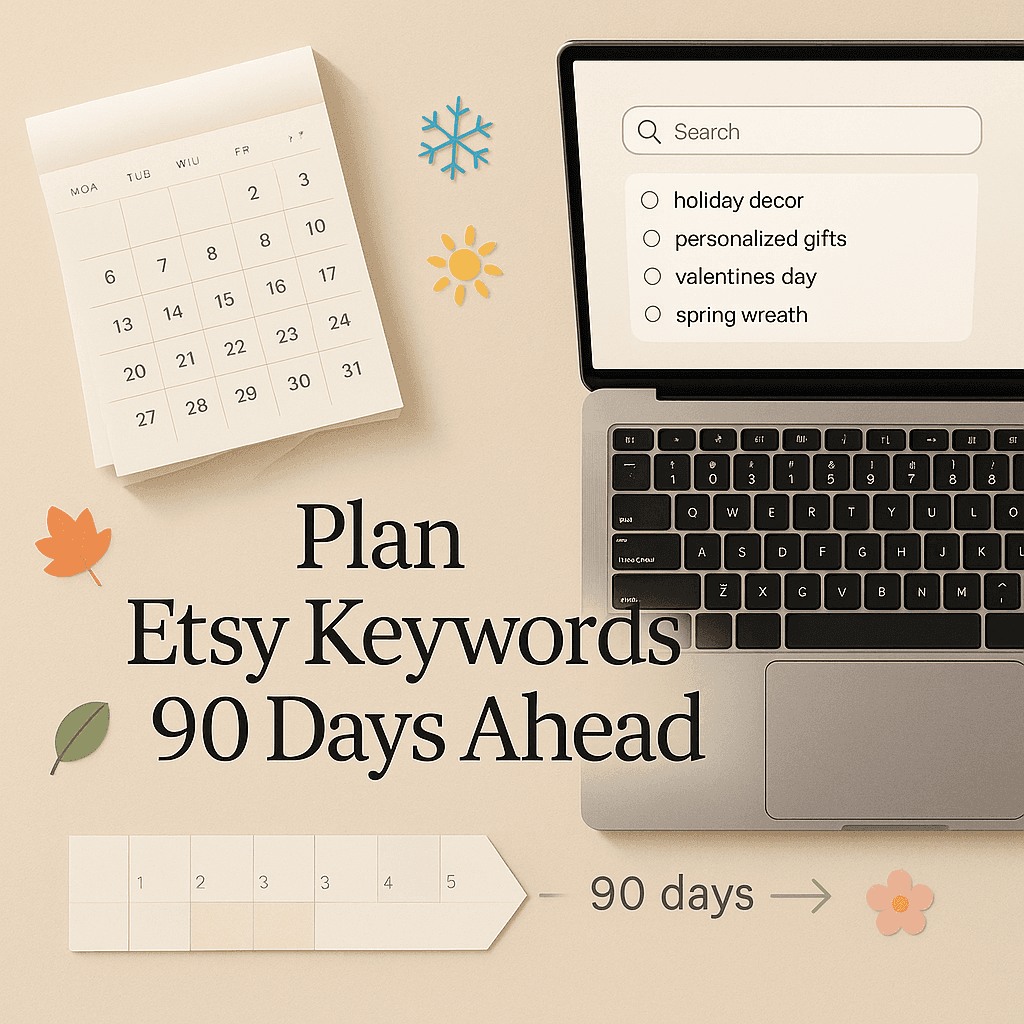
1) Seasonal planning timeline graphic

2) Holiday flatlay (visual cue for “seasonal”)

Incorporating seasonal products into your store can be tricky, but with the right strategy and planning, it can lead to increased sales and customer engagement. For instance, understanding how to successfully navigate the fall and holiday season can provide valuable insights.
Additionally, utilizing visual content such as holiday flatlays can significantly enhance your product presentation and attract more customers during these peak seasons.
3) Keyword research notes / planning notebook

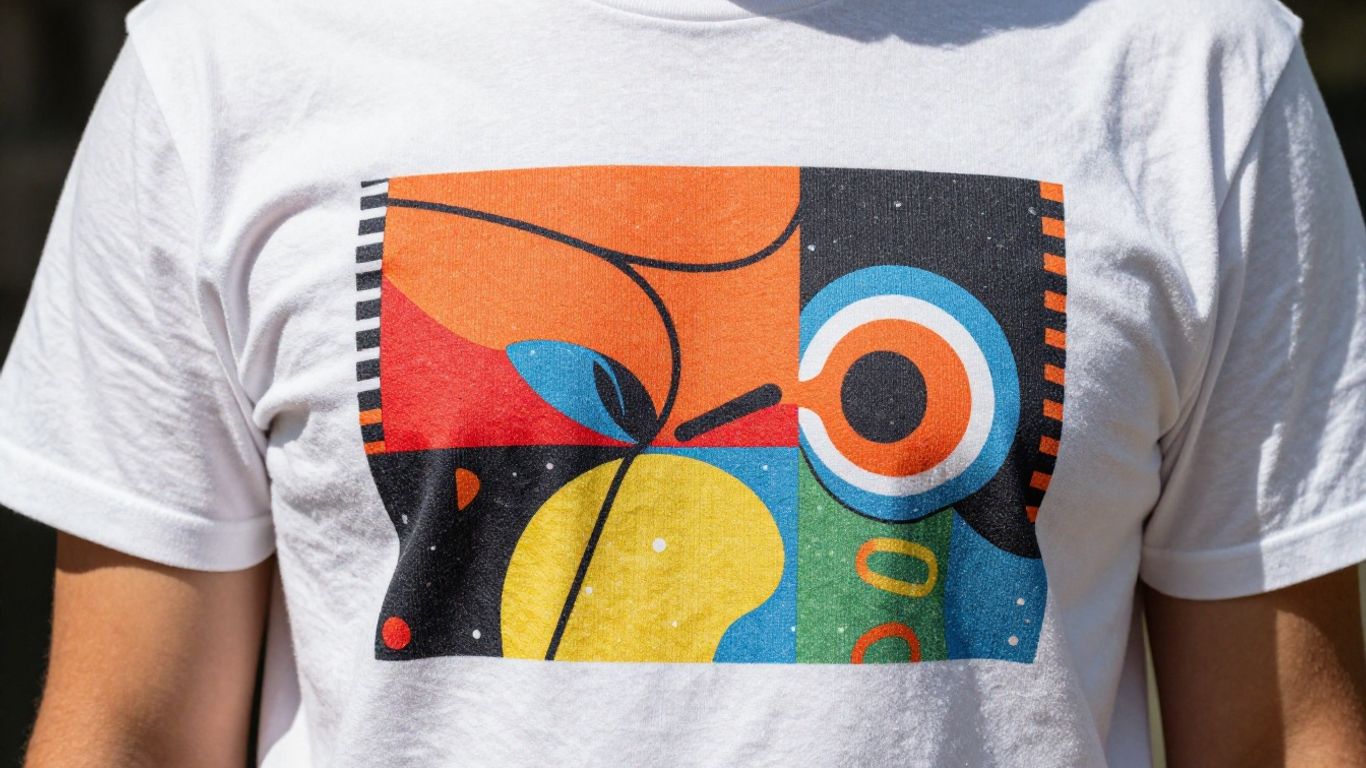
4) Mockup style lifestyle photo (POD relevant)
If you can, also include 1 or 2 screenshots of:
- Your Etsy search autocomplete suggestions
- Your listing drafts queue
- Your keyword bank sheet
That stuff makes this feel real, and readers trust it more.
Seasonal keyword mistakes that quietly kill listings
1) Waiting for the season to start
Already talked about it. But it’s the big one.
If you’re reading this and you’re already late for the next holiday, still list now. Better late than invisible.
2) Only using one keyword style
Like only “Christmas shirt” in every tag.
You need variety. Recipient. Use case. Product type. Style.
3) Copying whatever looks like a bestseller
Yes, look at bestsellers. But don’t clone.
Instead ask: what pattern makes it a bestseller?
- Is it niche + holiday?
- Is it a gifting angle?
- Is it a specific event like “family photos” or “party”?
4) Not updating photos and first line of the title
Even if your tags are great, if the first image and first words look bland, people scroll past.
Seasonal listings need seasonal visuals.
Where NinjaSell fits in (if you want the shortcut)
If you’re doing print on demand, the slowest part is usually not designing.
It’s the listing work. Titles. tags. descriptions. and then doing it again next season.
That’s where a tool like NinjaSell is useful in a very unglamorous way.
You upload a design, and it generates Etsy-ready listings based on Etsy trend and bestseller data. Titles, tags, descriptions, SEO. Plus Etsy-style mockups. Then you can publish to Etsy as a draft with one click.
It also has built-in trademark checks (huge, because seasonal phrases and pop culture trends can get risky fast), and a feature to refresh underperforming listings with updated trend-based keywords.
If you want to see how it fits your workflow, start here: ninjasell.com
No subscription angle either, which is honestly nice. You pay base cost and shipping when orders happen.
A simple “next 90 days” checklist (steal this)
Pick the next seasonal moment relevant to your niche. Then do this:
- Identify 1 season + 1 niche (example: Halloween + teachers)
- Create 5 to 10 designs that fit that overlap
- Build a keyword bank with broad seasonal terms, niche + season terms, gifting recipient terms, and event/use-case terms
- Publish listings 90 days out
- Refresh photos 45 days out
- Add gifting language 30 days out
- Watch shipping deadlines 14 days out
- Keep winners, retire losers after the season
- Save the keyword bank for next year (seriously, this compounds)
That’s it. Not fancy. Just consistent.
Wrap up
Seasonal Etsy SEO is mostly timing.
Not perfect keywords. Not magical tags. Timing, plus relevance.
If you plan 90 days ahead, you give your listings a chance to get indexed, collect engagement, and actually show up when buyers start browsing. And you get to run your shop like a calm person, instead of sprinting into every holiday with 3 days to spare.
If you want the easiest next step, pick one upcoming season and draft your listings now. Even if the designs aren’t all finished. Start the process.
And if you’re doing POD and you want the listing part to move faster, take a look at NinjaSell. It’s basically built for this exact problem.
FAQs (Frequently Asked Questions)
Why is it important to plan Etsy seasonal listings 90 days ahead?
Planning 90 days ahead allows your seasonal listings to be indexed, collect engagement like views and favorites, and gives Etsy enough data to trust and match your listings to shoppers. Posting too close to the holiday means competing against established listings, making it harder to rank.
What are the different keyword phases in seasonal Etsy SEO?
Seasonal keyword phases include: 1) Discovery phase – broad, inspiration-focused terms; 2) Decision phase – specific gift and product terms; and 3) Panic phase – urgency-related terms like ‘digital’, ‘printable’, or ‘fast shipping’. Your keywords should align with these phases for optimal visibility.
How should I adjust my keywords during the 90-day seasonal timeline?
From days 90 to 75, target broad seasonal phrases with vibe-based language (e.g., ‘fall sweatshirt’, ‘spooky season shirt’). Days 74 to 45 focus on specific buyer-ready searches (e.g., ‘halloween sweatshirt for women’). Days 44 to 21 add gifting language and micro-niches (e.g., ‘gift for mom from daughter’). Days 20 to 0 emphasize digital add-ons and instant downloads due to shipping deadlines.
What types of keywords work best for seasonal Etsy listings?
Effective seasonal keywords mix multiple buckets: Holiday keywords (e.g., ‘halloween’, ‘christmas’), Event keywords (e.g., ‘friendsgiving shirt’, ‘valentines day dinner outfit’), Recipient keywords (e.g., ‘for mom’, ‘for boyfriend’), and Product + season combos (e.g., ‘fall sweatshirt’). Combining these enhances listing relevance.
How can I handle last-minute seasonal shoppers on Etsy?
For late-stage shoppers within 20 days of the holiday, lean into digital add-ons like printable cards or digital gift notes that deliver instantly. Emphasize giftable items that can still arrive on time and use accurate urgency keywords such as ‘instant download’ only if applicable. Keep seasonal keywords but adjust your strategy accordingly.
Why do many Etsy sellers think they miss seasons when they actually don’t?
Many sellers list seasonal items too late—like posting a Halloween sweatshirt in October—when their listings remain mostly invisible because Etsy’s algorithm decides visibility weeks before the holiday. The key is showing up early so your listing gains traction during the critical browsing and buying window, rather than assuming seasonal products don’t work for you.