Selling print on demand T-shirts on Etsy sounds like one of those “easy passive income” things people shout about on YouTube.
It can be. Sometimes.
But the more honest version is this: Etsy rewards people who treat it like a real store. Real listings, real product photos, clear niches, fast fulfillment, and a vibe that feels like a human is behind it. Print on demand just removes the part where you’re packing boxes at midnight.
So if you want to sell POD tees on Etsy without drowning in tiny tasks, here’s how I’d do it. Step by step. Slightly opinionated. Because Etsy is a little opinionated too.
First, what “print on demand” on Etsy actually means
With print on demand, you:
- Create a design (text, illustration, whatever your niche wants)
- Put that design on a blank T-shirt using a POD provider
- List it on Etsy
- When a customer orders, the POD company prints and ships it to them
You do not pre-buy inventory. You also do not touch the shirt.
The tradeoff is margin. You earn less per shirt than someone who prints at home, but you can scale way faster because you’re not limited by your hands.
Step 1: Pick a niche that Etsy actually buys
This matters more than design talent, honestly.
On Etsy, people aren’t usually browsing for “cool shirt.” They’re buying for a specific identity, moment, or gift.
Good niche examples:
- New moms, girl dads, boy moms
- Teachers (especially grade specific or subject specific)
- Nurses, dentists, therapists, vet techs
- Dog breeds (not just dogs, like “golden retriever mom”)
- Sports parents, dance moms
- Wedding parties (bride, groom, bridesmaids, bachelorette weekend)
- Local pride (cities, states, regional sayings)
- Hobby niches (pickleball, hiking, booktok-ish reader humor)
Try to avoid the broad stuff like “funny shirts” or “motivational quotes.” You’ll be competing with 200,000 listings and the cheapest one wins. Not fun.
A quick way to pressure test a niche:
- Search Etsy for the niche keyword (example: “kindergarten teacher shirt”)
- Look at how many results show up
- Open the top listings and check: do they have lots of reviews? Are they recent? Do multiple shops sell similar things?
If you see demand and repetition, good. That means buyers exist. You just need a sharper angle.
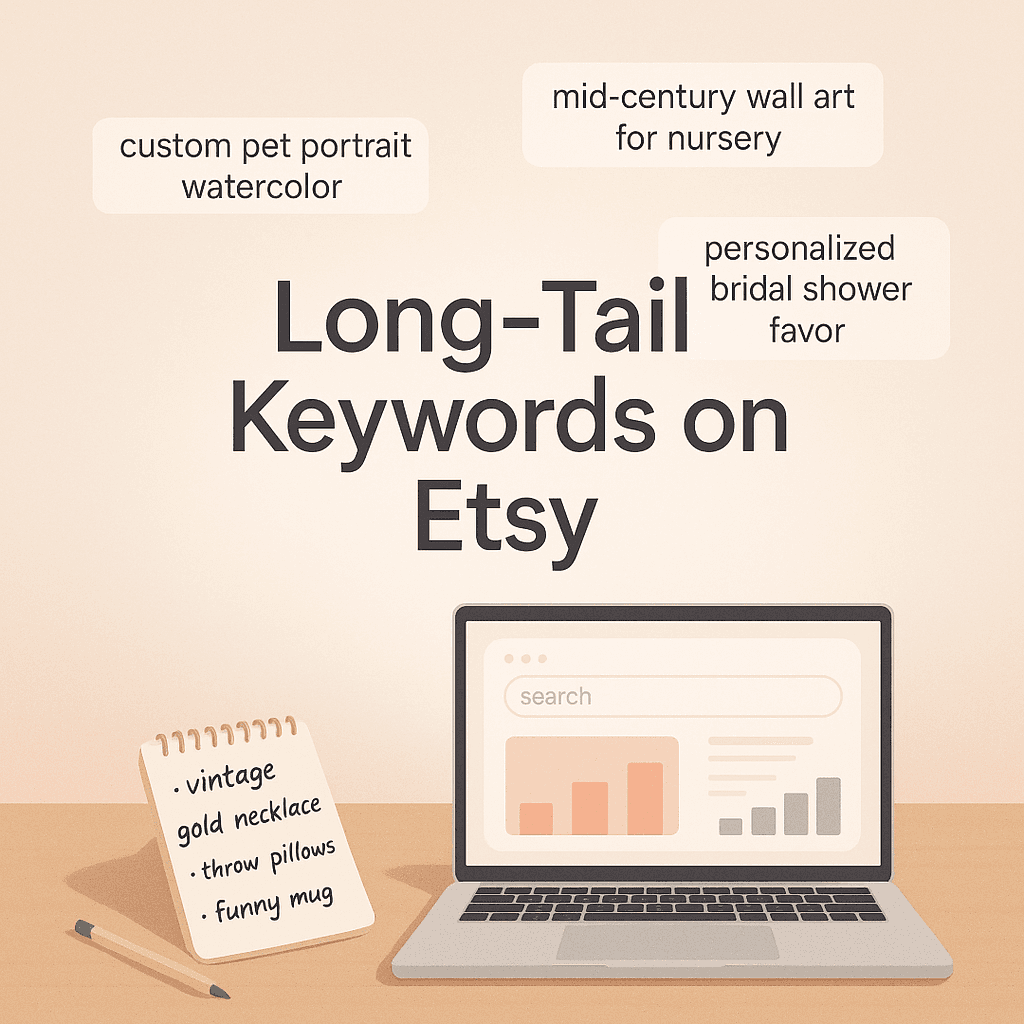
Step 2: Research keywords like your rent depends on it
Etsy SEO is not magic. It’s mostly matching what buyers type with what you put in:
- title
- tags
- categories
- attributes
- description (less important, but still)
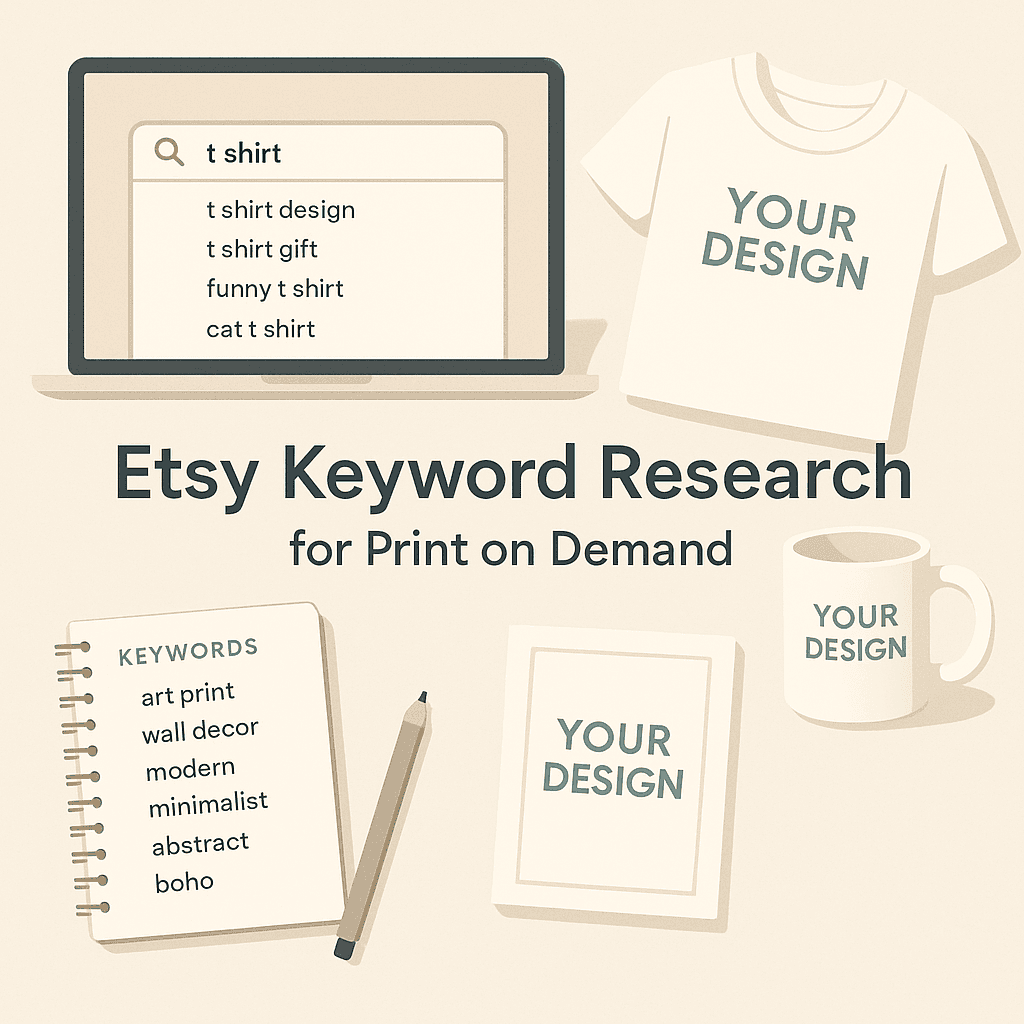
Start with Etsy search suggestions: Type “teacher shirt” and see the dropdown:
- teacher shirt funny
- teacher shirt first day
- teacher shirt kindergarten
- teacher shirt custom name
Those are real buyer searches. Etsy literally hands them to you. Use them.
Then do competitor scanning:
- Click a top listing
- Scroll to “Explore related searches”
- Check what variations Etsy groups together
You’re trying to build a keyword set, not one keyword.
Example keyword cluster:
- “kindergarten teacher shirt”
- “teacher tshirt”
- “back to school teacher shirt”
- “first day of school teacher tee”
- “teacher gift shirt”
Write these down. You’ll reuse them in titles and tags later.
Step 3: Create designs that are sellable, not just pretty
T-shirt designs that sell on Etsy often have one or more of these traits:
- readable from far away (simple typography wins)
- emotionally specific (job, role, inside joke)
- giftable (mentions “gift for” or fits an occasion)
- easy to imagine wearing in public (not too chaotic)
And here’s the thing people don’t like hearing.
You do not need 300 original illustrated masterpieces.
You need a clean, clear idea that fits what people are already buying, but with your own twist. Slightly different wording. Better typography. A more specific sub-niche. A bundle. A personalization option.
Also, be careful with IP. No Disney. No NFL. No Taylor Swift lyrics. No “inspired by” stuff that’s obviously the thing. Etsy will eventually smack you.
Step 4: Choose a POD setup that won’t ruin your reviews
On Etsy, reviews are oxygen.
So your POD choices matter:
- print quality
- shipping speed
- consistency
- customer service when something goes wrong
A few practical tips:
- Pick shirts people already trust (Bella+Canvas 3001 is common, Gildan is budget, Comfort Colors is popular for the oversized vintage look)
- Offer 2 to 4 color options that match the vibe
- Don’t list 40 colors “just because” unless you can handle the complexity
- Always have a size chart image
Also decide where production happens (US, EU, etc). Etsy shoppers care about delivery dates.
Step 5: Create mockups that look like Etsy winners
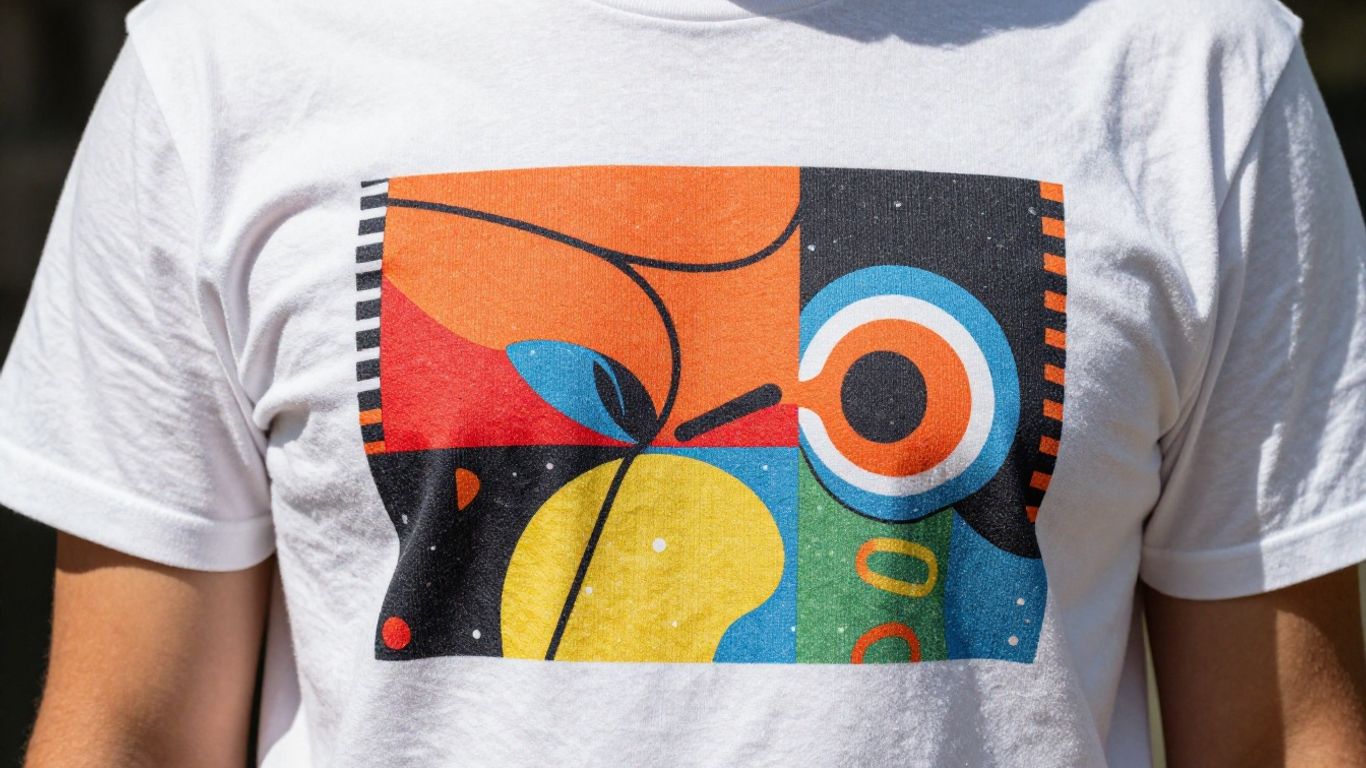
Your first image is everything. People scroll fast. Like, brutally fast.
A good Etsy tee mockup:
- clean lighting
- neutral background
- design clearly visible
- looks like a real lifestyle photo, not a floating PNG
You can do flat lays, models, folded shirts, or mannequins. Just keep it consistent across your shop so it feels like a brand, not random listings.
Also include:
- size chart
- color chart (if relevant)
- close up detail (print texture)
- simple “how to order” image if you do personalization
Step 6: Build Etsy listings that actually rank and convert
This is where most POD sellers fall apart. They upload a design and write a title like:
“Cute Shirt Funny Gift T-shirt Tee”
That’s not a title. That’s just panic.
What your Etsy title should look like
Front load the main keyword, then add variations.
Example: Kindergarten Teacher Shirt, Back to School Teacher Tee, First Day of School Shirt, Teacher Gift, Cute Teaching T-Shirt
Yes it’s long. Etsy is fine with long. Just make it readable.
Tags
Use all 13 tags. Don’t repeat the exact same phrase. Use variations.
Example tags:
- kindergarten teacher
- teacher shirt
- back to school tee
- first day school
- teacher gift
- teaching tshirt
- kinder teacher tee
- teacher apparel
- school shirt
- educator gift
- classroom shirt
- teacher life
- cute teacher shirt
Description
Write like a helpful human. Answer what buyers worry about:
- shirt brand and fit
- how long it takes
- care instructions
- what they’ll receive
- how to contact you
Put the key info near the top. People don’t read essays.
Step 7: Price like a business, not a guess
Pricing is math plus positioning.
Typical Etsy POD tee pricing lands around:
- $19.99 to $29.99 for standard tees
- $29.99 to $39.99+ for Comfort Colors or premium looks
- more for personalization
You need to cover:
- base shirt cost + printing
- shipping (either baked into price or charged separately)
- Etsy fees (listing fee, transaction fee, payment processing)
- refunds, replacements, “oops” moments
- your profit
Also, your price signals quality. Too cheap can backfire, especially in gift niches.
Step 8: Fulfillment and customer service (where you win long term)
Even with POD, customers message you. A lot.
Common messages:
- “Can I get this by Friday?”
- “Can I change the address?”
- “What size should I order?”
- “My package says delivered but I didn’t get it”
Have saved replies ready. Be calm. Be fast. Etsy tracks response time and customers reward helpfulness with reviews.
Also: set expectations. Your listing should clearly say:
- processing time
- shipping method
- holiday cutoffs
- that items are made to order
When something goes wrong (and it will), replace quickly if it’s your side. Reviews matter more than winning a $8 argument.
Step 9: Launch with enough listings to give Etsy something to work with
Could one listing sell? Sure.
But Etsy’s algorithm learns from your shop. The more relevant listings you have in a niche, the more chances you have to appear in search.
A good early target:
- 20 to 50 listings in one niche Not 200 random designs in 10 different niches. That looks messy and it’s harder to brand.
Think like a small boutique: “One shop for teacher shirts” is clearer than “everything for everyone.”
Step 10: Scale without burning out (where automation actually helps)
Here’s the unsexy truth.
The time sink with Etsy POD is not the design. It’s the listing work:
- writing titles and tags
- choosing mockups
- setting variants
- publishing consistently
- then fulfilling and tracking orders
This is where tools can make a real difference if you’re serious about scaling.
Using NinjaSell for Etsy POD automation
If you’re building a print on demand T-shirt store on Etsy and you want to move faster, NinjaSell is built for this specific workflow.
The idea is simple:
You upload your designs, and NinjaSell automatically:
- creates optimized Etsy listings
- generates mockups
- fulfills print on demand orders
- ships white label (so it looks like it came from your brand, not a random warehouse)
That matters because once you start getting orders daily, your time gets eaten by tiny repetitive steps. Automation gives you your evenings back. Or lets you list more designs without hiring help. Same thing, basically.
It also makes it easier to keep your shop consistent. Consistency is one of those quiet Etsy growth levers people ignore.
Common mistakes that quietly kill Etsy POD shops
1. Chasing trends that get you banned
If you’re leaning on copyrighted characters, logos, or celebrity phrases, you’re building on sand. Etsy takedowns are not hypothetical.
2. Titles that don’t match buyer searches
If your keywords are vague, Etsy can’t place you. No placement, no clicks, no sales.
3. Weak mockups
You might have the best design in your niche. If the first image looks fake or messy, people scroll past.
4. Too many niches at once
Pick one. Win it. Then expand.
5. Not accounting for holiday timelines
Q4 is huge for tees. But only if your processing and shipping estimates are realistic. Late gifts equal angry reviews.
A simple plan you can follow this week
If you want a practical launch plan, do this:
Day 1: Pick one niche and research 30 keyword phrases.
Day 2: Create 10 designs around that niche. Keep them simple.
Day 3: Create mockups and a size chart image set.
Day 4: Publish 10 listings with strong titles and all 13 tags.
Day 5: Publish 10 more listings.
Day 6: Tweak based on clicks and favorites.
Day 7: Make 5 more designs based on what got the most engagement.
Then repeat.
Etsy rewards momentum. Not perfection.
Final thoughts
Selling print on demand T-shirts on Etsy is not complicated, but it is detailed. Tiny choices add up. Niche selection, keywords, mockups, fulfillment, customer messages.
If you do the basics well, you can get to your first sales faster than you think.
And if you want to scale past “a few listings” into something that actually feels like a store, automation tools like NinjaSell can help a lot. Especially when you’re trying to post consistently, keep listings optimized, generate mockups, and fulfill orders without turning your life into one long to-do list.
That’s the game. Build a real shop. Serve a real niche. Keep going.
FAQs (Frequently Asked Questions)
What does selling print on demand (POD) T-shirts on Etsy actually involve?
Selling POD T-shirts on Etsy means you create a design, apply it to a blank T-shirt through a POD provider, list it on Etsy, and when a customer orders, the POD company prints and ships the shirt directly to them. You don’t pre-buy inventory or handle shipping yourself.
How do I choose a profitable niche for selling POD T-shirts on Etsy?
Pick niches that Etsy buyers actively search for, like new moms, teachers (grade or subject-specific), healthcare professionals, dog breeds, wedding parties, local pride, or hobby-related themes. Avoid overly broad categories like ‘funny shirts’ due to high competition. Validate niches by searching Etsy for relevant keywords and checking the number of listings and reviews.
What are effective keyword research strategies for Etsy POD T-shirt listings?
Use Etsy’s search suggestions by typing your main keyword and noting dropdown options buyers use. Analyze top competitor listings and their related searches to build a cluster of relevant keywords. Incorporate these keywords naturally into your title, tags, categories, attributes, and description to improve SEO and ranking.
What design qualities make POD T-shirts sell well on Etsy?
Successful designs are simple and readable from afar with clear typography, emotionally specific to jobs or inside jokes, giftable for occasions, and easy to wear publicly without chaos. Focus on clean ideas with slight unique twists rather than complex or numerous original illustrations.
How should I choose a print-on-demand provider for my Etsy shop?
Choose POD providers known for high print quality, fast shipping speeds, consistent fulfillment, and good customer service. Use trusted shirt brands like Bella+Canvas 3001 or Comfort Colors. Limit color options to what you can manage well and always include accurate size charts to meet customer expectations.
What makes an effective mockup image for my Etsy POD T-shirt listings?
Your first image should have clean lighting with a neutral background showcasing the design clearly. Lifestyle photos like flat lays or models help create brand consistency. Include additional images such as size charts, color options, close-up print details, and simple ordering instructions if offering personalization to boost buyer confidence.