Thinking about selling t-shirts online without a huge upfront cost? Print on demand (POD) might be your answer. It lets you create and sell t-shirts without stocking any inventory yourself. This guide breaks down how to get started and actually make sales in the tshirt print on demand world. We’ll cover everything from making cool designs to getting them in front of people and handling the business side of things. Let’s get your t-shirt ideas out there.
Key Takeaways
- Understand the basics of how tshirt print on demand works, including picking the right platforms and suppliers.
- Learn how to create designs that people actually want to buy by knowing your audience and popular styles.
- Pay attention to details like colors, fonts, fabric quality, and how the t-shirt fits.
- Build a recognizable brand for your t-shirts and use social media to get the word out.
- Figure out pricing, marketing, and how to keep customers happy even when things go wrong.
Understanding The Print-On-Demand T-Shirt Landscape
Fundamentals Of Print-On-Demand
Print-on-demand, or POD, has really changed the game for anyone wanting to sell t-shirts without holding a ton of stock. Basically, you create a design, put it on a t-shirt template, and list it for sale. When someone buys it, a third-party company prints your design onto the shirt and ships it directly to the customer. This means you don’t have to worry about buying shirts in bulk, printing them yourself, or dealing with shipping logistics. It’s a pretty sweet deal for getting started, especially if you’re just testing the waters or have a lot of design ideas you want to try out.
- Low startup costs: You don’t need a big upfront investment for inventory.
- Wide product variety: You can offer designs on many different types of apparel and other items.
- Flexibility: Easily test new designs and niches without financial risk.
- No inventory management: Say goodbye to storage and stock-outs.
The biggest advantage is the ability to experiment. You can put up a design, see if it sells, and if it doesn’t, no harm done. You just move on to the next idea. This freedom is what makes POD so appealing for creatives and entrepreneurs alike.
Choosing The Right Platforms And Suppliers
Picking the right place to sell your shirts and the company that will actually print them is a big deal. There are tons of platforms out there, like Etsy, Shopify, Amazon, and specialized POD marketplaces. Each has its own pros and cons when it comes to fees, audience reach, and how easy it is to set up. Then there are the print providers themselves. Companies like Printful, Printify, Gelato, and others handle the printing and shipping. You’ll want to look at their print quality, shipping times, product costs, and what kind of shirts they offer. Some might be better for super detailed designs, while others are known for faster shipping.
Here’s a quick look at what to consider:
- Platform Fees: How much do they take per sale or per month?
- Customer Base: Does the platform attract the kind of people who would buy your designs?
- Print Quality: Order samples! See how the prints hold up after washing.
- Product Catalog: Do they have the types of t-shirts (styles, colors, sizes) you want to sell?
- Shipping Costs & Times: How much does it cost to ship, and how long does it take to get to your customer?
The T-Shirt Design Landscape
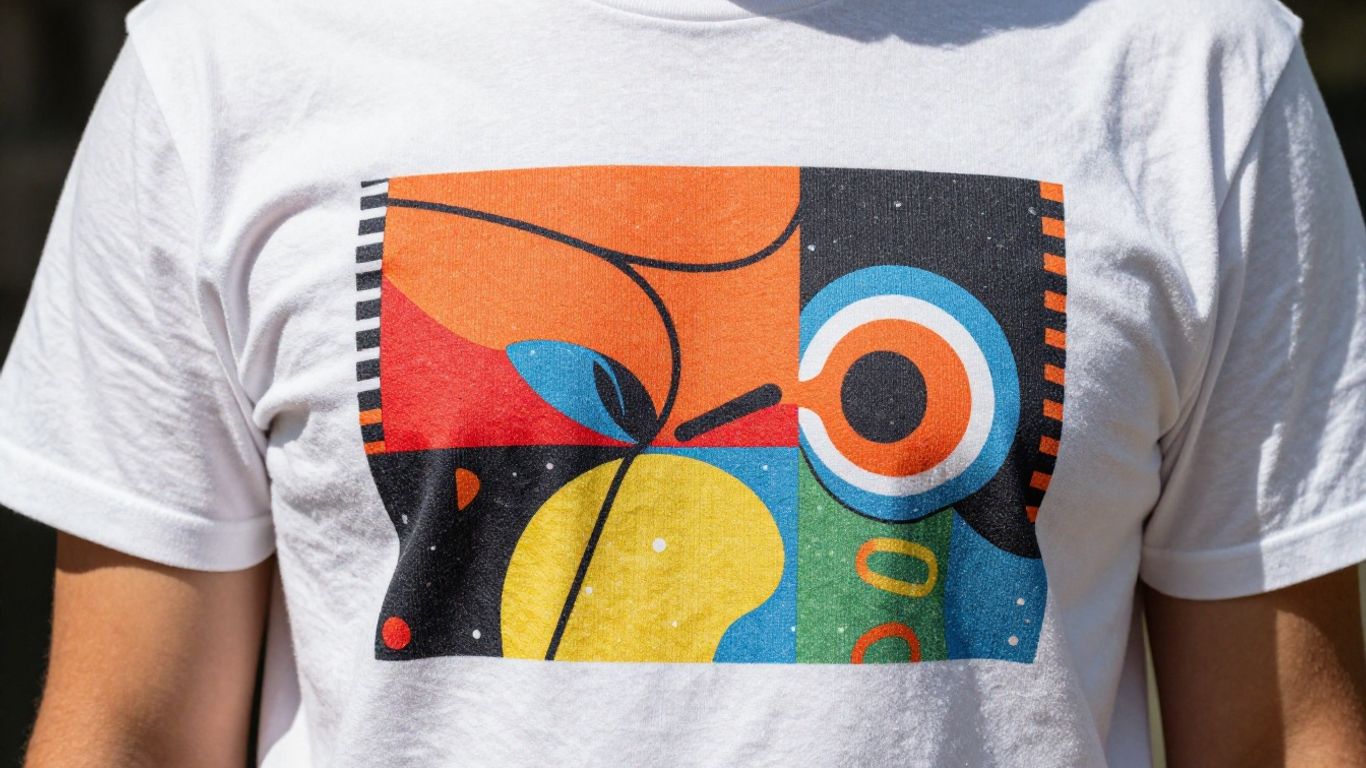
When we talk about the t-shirt design landscape, we’re really looking at what kind of designs are out there and what makes them popular. It’s not just about slapping a cool image on a shirt; it’s about understanding trends, what your audience likes, and how to make your design stand out. Think about different styles: minimalist graphics, bold typography, vintage looks, funny slogans, or intricate illustrations. The market is huge, and people buy t-shirts for all sorts of reasons – to express themselves, show support for a cause, represent a hobby, or just because they think a design is funny or looks good. Your design needs to connect with a specific group of people.
Consider these points:
- Niche Focus: Designs that speak directly to a hobby, profession, or interest group often do better than generic ones.
- Trend Awareness: Keeping an eye on current styles and cultural moments can inspire timely designs.
- Originality: While trends are good, truly unique designs can build a loyal following.
- Visual Appeal: Good composition, color choices, and clear imagery are key, no matter the style.
Crafting Compelling T-Shirt Designs
Designing t-shirts people actually want to wear—and buy—is more than stamping a funny phrase or doodle on cotton. The real challenge? Coming up with ideas and styles that your audience connects with, not just what looks good to you. Here’s how to start making t-shirts that stand out and sell.
Defining Your Target Audience And Niche
Before sketching a single shirt, decide who your designs are meant for. This is you picking a lane and sticking to it. Are you going after cat lovers, fitness geeks, retro gamers, or eco-conscious shoppers? The more specific your audience, the easier it is to hit the mark with both message and style.
- Ask yourself: what does your ideal buyer value, joke about, or share with friends?
- Join online groups or forums to listen in on trends and interests.
- Keep a running list of common sayings, memes, or cultural references unique to your niche.
Finding your audience isn’t just about numbers. It’s about tapping into a group’s personality so well, they see your shirt and think, “Finally, someone gets me.”
Exploring Design Options And Popular Styles
There’s more than one way to grab attention in the print-on-demand world. Popular approaches include:
- Bold typography shirts with strong statements
- Minimalist art that gets the message across with fewer lines
- Nostalgic or vintage themes calling back to past decades
- Illustrated characters, icons, or scenes
- Parody and meme-inspired humor
Here’s a quick table of popular design styles and what usually works best:
| Design Style | What It Suits |
|---|---|
| Bold Typography | Slogans, causes, statements |
| Minimalist Art | Trendy, subtle looks |
| Vintage Themes | Nostalgic, chill audiences |
| Cartoon/Icons | Youth, pop culture fans |
| Parody & Humor | Meme culture/laugh seekers |
Trendy styles shift quickly, so checking what’s popular on big marketplaces is worth your time. Don’t forget: trends help you get noticed, but original spins build a brand.
Creating Appealing And Marketable T-Shirts That Sell
Making a cool design isn’t enough—you want shirts that move off the shelf. Here’s how:
- Know what’s already selling in your niche, then put your unique spin on it.
- Limit colors and keep designs clear, so they pop from a distance.
- Use quality fonts and avoid overcrowding the shirt. Less is almost always more.
- Make sure your design looks good on several shirt colors, not just one. Test in mockups!
- List memorable phrases or inside jokes from your niche—these often do well if styled right.
- Ask friends or potential buyers for feedback before going public.
- Remember, original artwork stands out and avoids copyright headaches.
When you match the right message to the right style, people wear your shirt because it feels personal—not just like another random graphic tee.
Stay flexible. Experiment. The best-selling t-shirt often isn’t the one with the flashiest graphics, but the one that makes someone feel seen or understood.
Essential Design Considerations For T-Shirts
Choosing Colors And Fonts
Picking the right colors and fonts for your t-shirt designs is more than just making things look pretty; it’s about making sure your message comes across clearly and appeals to the people you’re trying to reach. Think about the vibe you want your brand to have. Bright, bold colors might work for a fun, energetic brand, while more muted tones could suit something sophisticated or minimalist. The color of the t-shirt itself matters a ton too. A design that looks amazing on a black shirt might get lost on a white one, or vice versa. You’ve got to test these combinations.
When it comes to fonts, they say a lot without saying anything at all. A playful script font screams ‘fun,’ while a clean, sans-serif font feels more modern and direct. It’s easy to get carried away with fancy fonts, but remember, people need to be able to read what you’re putting on the shirt. If your design has text, make sure it’s legible from a reasonable distance. Overly complicated or tiny fonts can be a real headache for customers.
Understanding T-Shirt Fabrics And Styles
This is where the rubber meets the road, or rather, where the print meets the fabric. Not all t-shirts are created equal, and the material they’re made from makes a big difference in how they feel, how they fit, and how well your design holds up. You’ll see a lot of options out there, from basic cotton to blends like polyester and rayon. Cotton is usually a safe bet – it’s breathable and soft. Blends can offer different benefits, like being more wrinkle-resistant or having a bit of stretch.
Think about the fit too. Are you going for a classic, relaxed fit, or something more modern and slim? Different styles appeal to different people. A unisex fit is often a good starting point because it’s pretty universal, but offering a few different cuts can help you capture a wider audience. Ultimately, you want a shirt that feels good to wear and that your design looks great on. Investing a little more in quality fabric can really pay off in customer satisfaction and fewer returns.
Evaluating Quality And Fit
Before you go all-in with a design, you really need to check out the actual t-shirts you’ll be printing on. It’s not enough to just have a cool graphic; the shirt itself has to be decent. A poorly made shirt can ruin even the best design.
Here’s a quick checklist to run through:
- Fabric Feel: Is it soft? Does it feel cheap or scratchy? People notice this stuff.
- Weight: Is the fabric too thin (see-through) or too heavy for the season?
- Durability: How does it hold up after a wash? Does it shrink excessively or lose its shape?
- Printability: Does the fabric take ink well? Some materials are trickier than others.
- Fit Consistency: If you order the same size shirt multiple times, does it fit the same way?
Trying to cut corners on the blank t-shirt itself is a common mistake. Customers might buy a shirt once because they like the design, but if the shirt itself is uncomfortable or falls apart after a few washes, they’re not coming back. It’s worth spending a bit more to get a shirt that people will actually want to wear regularly. This builds trust and encourages repeat business.
Building Your T-Shirt Brand Identity
So, you’ve got some killer designs ready to go. That’s awesome! But just having cool art on a shirt isn’t enough to build a real business. You need a brand. Think of it like this: your designs are the songs, but your brand is the whole band – the look, the feel, the message. It’s what makes people connect with you beyond just one t-shirt.
Developing A Strong Brand Identity
What’s your brand all about? Is it funny and quirky? Super serious and political? Maybe it’s all about nature or a specific hobby. You need to figure this out. Your brand identity is the personality of your t-shirt business. It’s how people see you and what they expect from you. This means thinking about your brand’s story, its values, and the overall vibe you want to put out there. It’s not just about slapping a logo on everything, though that’s part of it. It’s about creating a consistent look and feel across all your designs, your website, your social media, and even how you talk to customers.
Here are some things to consider when building that identity:
- Your Mission: What’s the bigger purpose behind your shirts? Are you trying to spread positivity, raise awareness for a cause, or just make people laugh?
- Your Visuals: This includes your logo, color palette, and the general style of your artwork. Everything should look like it belongs together.
- Your Voice: How do you communicate? Are you casual and friendly, or more formal? This should be consistent everywhere.
- Your Audience: Who are you trying to reach? Your brand should speak directly to them.
Building a strong brand identity takes time and thought. It’s about creating a connection with your customers that goes deeper than just a transaction. When people feel like they understand and like your brand, they’re more likely to become loyal fans and even recommend you to others.
Leveraging Social Media For Promotion
Social media is your best friend when it comes to getting your brand out there. It’s where you can show off your designs, tell your brand’s story, and actually talk to the people who might buy your shirts. Don’t just post pictures of your t-shirts, though. Share behind-the-scenes stuff, talk about what inspires your designs, run polls to get feedback on new ideas, and engage with comments and messages. Think about platforms like Instagram, TikTok, or even Pinterest, depending on where your target audience hangs out. Use relevant hashtags so people can find you. It’s all about building a community around your brand.
Collaborating With Influencers
Working with influencers can be a really smart way to get your brand in front of new eyes. Find people who have an audience that matches your target customer. It doesn’t have to be a huge celebrity; sometimes smaller influencers with a dedicated following can be more effective. You could send them some of your shirts to wear and review, or work out a deal for them to promote your brand to their followers. Just make sure the influencer genuinely likes your product and their audience trusts their recommendations. It’s about finding authentic partnerships that feel natural, not forced.
Navigating T-Shirt Business Operations
Managing Inventory and Pricing Strategies
With print-on-demand, you don’t really have inventory in the traditional sense. That’s the beauty of it! You only produce a shirt when someone buys it. This means no piles of unsold stock taking up space. However, you still need to think about your product catalog. Are you offering different shirt styles, colors, and sizes? Make sure your chosen print provider can handle all those options reliably. If you decide to hold some stock of your bestsellers, even for faster shipping, you’ll need a system to track what you have. A simple spreadsheet can work for this.
Pricing is where things get interesting. You need to cover the cost of the blank shirt, the printing, the platform fees, and still make a profit. Don’t just guess! Figure out your exact costs for each item. Then, look at what competitors are charging for similar quality shirts. You want to be competitive, but also show the value of your unique designs and quality.
Here’s a quick look at cost factors:
| Cost Component | Example Price Range |
|---|---|
| Blank T-Shirt | $5 – $15 |
| Printing | $3 – $10 |
| Platform Fees | 5% – 15% of sale |
| Shipping (if not free) | $4 – $8 |
Your final price needs to be higher than your total costs to be profitable.
Implementing Effective Marketing Strategies
Just because you built it doesn’t mean they will come. You need to tell people about your awesome t-shirts! Social media is your best friend here. Post regularly, use good photos (mockups are fine, but lifestyle shots are even better!), and engage with your followers. Think about running ads on platforms where your target audience hangs out.
- Content Marketing: Share blog posts or videos related to your niche. If you sell cat t-shirts, talk about cat breeds or funny cat stories.
- Email Marketing: Build an email list and send out newsletters with new designs, special offers, or behind-the-scenes content.
- Collaborations: Partner with other small businesses or artists for cross-promotion.
- Paid Advertising: Use platforms like Facebook, Instagram, or Google Ads to reach a wider audience.
Remember, marketing isn’t a one-time thing. It’s an ongoing effort to connect with potential customers and remind existing ones why they love your brand.
Ensuring a Seamless Customer Experience
This is super important for repeat business and good reviews. From the moment someone clicks on your t-shirt to the moment it arrives at their door, everything should be smooth. This means:
- Clear Product Descriptions: Be honest about the fit, fabric, and sizing. Include a size chart!
- Easy Checkout Process: Make it simple for people to pay.
- Timely Shipping Updates: Let customers know when their order has shipped and provide tracking information.
- Responsive Customer Service: If someone has a question or a problem, get back to them quickly and helpfully. Treating customers well is how you build a loyal following.
- Quality Packaging: Even if it’s just a simple mailer, make sure it protects the shirt and looks decent when it arrives.
Overcoming Print-On-Demand Challenges
Addressing Common Customer Complaints
Even with the best intentions, things can go sideways. Customers might reach out with issues, and how you handle them makes a big difference. Most complaints boil down to a few key areas: print quality, shipping delays, or the item not meeting expectations. When a customer contacts you, stay calm and listen. Acknowledge their frustration first. Then, figure out what went wrong. Was the print blurry? Did the package take forever to arrive? Did they get the wrong size?
- Print Quality Issues: If the print is off, ask for a photo. If it’s clearly a production error, work with your print provider to offer a reprint or a refund. Don’t make the customer jump through hoops.
- Shipping Problems: Sometimes packages get lost or take way longer than expected. Keep an eye on tracking. If there’s a significant delay, let the customer know proactively and offer a small discount on their next order or a partial refund for the inconvenience.
- Item Not as Expected: This could be about the color, the fit, or the material. Again, a photo helps. If the product description was misleading, own up to it. Offer a return or exchange.
The goal is to turn a negative experience into a neutral or even positive one. A customer who feels heard and fairly treated is more likely to give you another chance.
Handling Returns And Exchanges
Returns and exchanges are a part of selling physical goods, especially online. Your print-on-demand provider will have its own policies, but you need to set yours clearly for your customers. Most POD services don’t accept returns or exchanges for buyer’s remorse (like changing your mind or ordering the wrong size), but they will cover issues with the product itself. This means you need to be upfront about sizing charts and product details.
Here’s a basic approach:
- Clear Policy: Have a dedicated page on your website explaining your return and exchange policy. State what you accept (defects, damage) and what you don’t (change of mind, wrong size ordered by customer).
- Customer Contact: Have customers contact you first with their issue, providing order details and photos if applicable.
- Provider Coordination: Work with your print provider to process any approved returns or exchanges due to product defects.
- Customer Communication: Keep the customer informed throughout the process.
It’s easy to get bogged down in the details of returns, but remember that a smooth process, even for a return, builds trust. Think of it as a final touchpoint that can solidify a customer’s loyalty.
Tracking Sales And Performance Metrics
Knowing your numbers is how you figure out what’s working and what’s not. You can’t improve what you don’t measure. For your t-shirt business, there are a few key things to keep an eye on.
- Sales Volume: How many shirts are you selling? This is the most basic metric. Look at it daily, weekly, and monthly.
- Profit Margin: This tells you how much money you’re actually making after all costs (product cost, printing, platform fees, marketing). A high sales volume with a low profit margin isn’t sustainable.
- Conversion Rate: This is the percentage of website visitors who actually make a purchase. A low conversion rate might mean your website isn’t user-friendly, your product photos aren’t great, or your pricing is off.
- Customer Acquisition Cost (CAC): How much does it cost you, on average, to get a new customer? This includes ad spend, marketing tools, etc.
- Return on Ad Spend (ROAS): If you’re running ads, this shows you how much revenue you’re generating for every dollar spent on advertising.
Here’s a simple way to look at profit:
| Metric | Calculation |
|---|---|
| Revenue | Units Sold x Selling Price |
| Cost of Goods | Units Sold x (Base Product Cost + Printing Cost) |
| Gross Profit | Revenue – Cost of Goods |
| Net Profit | Gross Profit – (Fees + Marketing + Other Costs) |
Regularly reviewing these metrics helps you make smart decisions about your designs, your marketing efforts, and your overall business strategy. It’s not just about selling shirts; it’s about building a profitable business.
Wrapping It Up
So, you’ve made it through the guide. We’ve talked about finding your niche, making cool designs, picking the right places to sell, and getting the word out. It might seem like a lot, but remember, you don’t have to do it all perfectly on day one. Think of this as your starting point. Keep learning, keep trying new things, and don’t get too down if something doesn’t work right away. Most people who do well with t-shirt print on demand just kept at it. Now go ahead and start putting your ideas out there. Your brand is waiting.
Frequently Asked Questions
What exactly is print-on-demand for t-shirts?
Print-on-demand (POD) is a cool way to sell t-shirts without having to keep any stock yourself. When a customer buys a shirt from your online store, a special company prints your design on it and sends it straight to the customer. You just create the designs and market them!
How do I pick the best place to sell my t-shirts?
You’ll want to look at different online platforms and printing companies. Some are great for beginners, while others offer more options. Think about what’s easiest for you to use and which company has good quality shirts and printing that fits your budget.
What makes a t-shirt design popular?
Popular designs often connect with a specific group of people, like fans of a hobby or a certain style. They should be eye-catching and clearly show your idea. Sometimes simple is best, and other times more detailed designs work well. It really depends on who you’re trying to reach!
How important is the quality of the t-shirt itself?
Super important! Even the best design won’t sell well if the shirt feels cheap or doesn’t fit right. Paying attention to the fabric, how it’s made, and if it fits nicely will make customers happy and more likely to buy again.
How can I tell people about my t-shirt brand?
Social media is your best friend! You can share pictures of your designs, run ads, and talk to potential customers. Working with people who have lots of followers online (influencers) can also help get the word out about your cool shirts.
What if a customer isn’t happy with their shirt?
Sometimes things go wrong, like a printing mistake or a shirt that doesn’t fit. It’s important to have a clear plan for handling returns or exchanges. Being helpful and fixing problems quickly will keep your customers happy and build trust in your brand.