Thinking about starting your own online shop but don’t want to deal with holding onto a bunch of stuff? Print on demand Etsy might be just the thing for you. It’s a way to sell custom items without needing to buy a ton of inventory upfront. Basically, you create designs, put them on products, and when someone buys one, a printing company makes it and sends it out. This guide will walk you through how to get your own print on demand Etsy shop up and running.
Key Takeaways
- Print on demand (POD) lets you sell custom products without keeping inventory yourself. A printing company handles production and shipping when a customer orders.
- Etsy allows sellers to use print on demand services, and many POD platforms are official partners, making integration straightforward.
- Setting up your Etsy shop involves creating an account, choosing preferences, naming your store, and connecting it to your chosen POD partner.
- Success on Etsy with print on demand comes from creating unique designs buyers love, writing good descriptions, using quality photos, and setting clear policies.
- To really do well, focus on finding a good niche, pricing your items smartly to make a profit, and promoting your shop through keywords, ads, and great customer service.
Understanding Print on Demand Etsy
What is Print on Demand?
Print on Demand, or POD, is a business model that lets you sell custom items without needing to buy or store any inventory yourself. Think of it as a way to get your designs onto products and into customers’ hands without the usual upfront costs and hassle. It’s a pretty neat way to start an online shop, especially if you’re just dipping your toes into e-commerce. You create the designs, and a third-party company handles the printing, packing, and shipping when an order comes in. This means you can focus on what you do best – designing and marketing – while someone else takes care of the physical product side of things. It’s a low-risk approach because you only pay for production after you’ve already made a sale.
Etsy’s Stance on Print on Demand
So, can you actually sell print-on-demand items on Etsy? The short answer is yes, absolutely. Etsy allows sellers to partner with print-on-demand services. They even have official production partners, which means they’re on board with this business model. This is great news for creators who want to use Etsy’s huge marketplace to sell their custom designs. You just need to make sure that you are creating the original designs yourself. This is a key rule on Etsy, so don’t try to sell designs that aren’t yours. It’s a good way to offer unique products, like custom t-shirts or mugs, to a wide audience without the headaches of managing stock.
The Low-Risk Business Model Explained
This whole print-on-demand setup is a game-changer because it cuts down on a lot of the financial risk involved in starting a business. Normally, you’d have to guess how many of an item you’ll sell and buy that much stock, hoping it all sells. With POD, that’s not an issue. You upload your design, list the product, and only when a customer buys it does the actual production get triggered. This means you’re not stuck with unsold inventory. It’s also a great way to test out different product ideas or designs without a big financial commitment. You can experiment with various items, from apparel to home decor, and see what your customers respond to best. This model is particularly good for things like Etsy dropshipping printables, where the digital design is the core product, but the physical manifestation is handled by a POD partner.
Here’s a simple breakdown:
- Design Creation: You create unique artwork or designs.
- Product Listing: You upload your design to a product template on a POD platform and list it in your Etsy shop.
- Customer Order: A customer buys the product from your Etsy store.
- Production & Shipping: The POD partner prints your design on the product and ships it directly to the customer.
- Profit: You keep the difference between your selling price and the POD partner’s base cost.
Setting Up Your Etsy Print on Demand Store
Alright, so you’ve got the idea, you know what print on demand is, and you’re ready to actually get your shop live on Etsy. This part is all about the nuts and bolts of creating your online space. It’s not super complicated, but you do need to pay attention to the details.
Creating Your Etsy Seller Account
First things first, you need an account to sell on Etsy. Head over to Etsy.com/sell and click ‘Get started’. Etsy will ask you a few questions about what you’re hoping to do with your shop. It’s pretty straightforward. This account is what you’ll use to manage everything, add your profile, and start building your brand. Think of it as your digital storefront’s foundation. You can get started on launching your Etsy shop even without upfront costs.
Choosing Your Shop Preferences
Once your account is set up, you’ll need to pick some basic preferences for your shop. This includes:
- Language: What language will your shop be listed in?
- Country: Where is your shop based?
- Currency: What currency will you use for pricing and payments?
These choices affect how you list items and how you get paid, so make sure they’re right for you. You’ll also need to set up how you’ll receive payments, usually by connecting a bank account. Don’t forget to add a credit card for Etsy fees – there’s a small one-time fee to open your shop. Etsy also requires identity verification, which typically involves uploading a photo of your ID and a selfie. And definitely turn on two-factor authentication to keep your account secure.
Naming Your Etsy Shop
This is where you get to be creative! Your shop name is a big part of your brand. It needs to be between four and 20 characters long. Try to pick something memorable that hints at what you sell or the vibe of your brand. A good name can really help people remember you and come back. It’s also important to remember that when you’re using Etsy merchandise fulfillment through a print-on-demand partner, you still need to list them correctly. Etsy requires you to disclose your production partners, so be prepared to add details about the print-on-demand service you’re using in your shop’s ‘About’ section. This transparency is key to staying compliant with Etsy’s policies.
Connecting Your Etsy Shop with a POD Partner
Alright, so you’ve got your Etsy shop set up and you’re ready to link it with a print-on-demand service. This is where the magic really starts to happen for your POD business on Etsy. Think of this step as building the bridge between your creative designs and the actual products customers will buy.
Signing Up for a Print on Demand Platform
First things first, you need to pick a print-on-demand (POD) company. There are quite a few out there, each with its own catalog of products and pricing. For this guide, let’s imagine we’re going with a popular one like Printify, but the steps are pretty similar across most platforms. You’ll want to head over to their website and sign up for an account. Most offer a free tier to get you started, which is perfect when you’re just beginning.
Integrating Your Etsy Account
Once you’re signed up with your chosen POD partner, the next big step is connecting it to your Etsy shop. This is usually done through your POD provider’s dashboard. Look for a section like ‘Stores’ or ‘Integrations’ and select Etsy. You’ll then be prompted to log in to your Etsy account.
Granting Access for Order Syncing
When you connect your accounts, Etsy will ask you to grant permission to the POD service. This allows the service to manage your listings and, more importantly, to automatically receive new order information from your Etsy shop. This is the part that makes the whole print-on-demand model work so smoothly. Without this connection, you’d have to manually send each order to your POD partner, which would be a huge pain.
Here’s a quick rundown of what happens:
- Design Upload: You upload your designs to the POD platform.
- Product Creation: You choose which products you want to put your designs on (like t-shirts, mugs, posters).
- Etsy Listing: You create the product listing on Etsy, often directly from the POD platform’s interface.
- Customer Order: A customer buys your product on Etsy.
- Automatic Sync: The order details (design, product, shipping address) are automatically sent to your POD partner.
- Production & Shipping: The POD partner prints your design on the product, packages it, and ships it directly to your customer.
It’s really important to understand that when you add a POD service as a ‘production partner’ on Etsy, you need to list them in your shop’s settings. This is a requirement from Etsy to be transparent with buyers about how products are made and shipped. You’ll typically add the POD company’s name and location, and a brief description of your partnership. This helps build trust with your customers and keeps your shop compliant with Etsy’s rules.
Choosing the right POD partner is key. Look for:
- Product Quality: Do they offer items that feel good and look great?
- Shipping Times & Costs: How fast and affordable is their shipping, especially to your target markets?
- Integration Ease: How simple is it to connect and manage your shop?
- Customer Support: Are they there to help if something goes wrong?
Creating Irresistible Custom Products
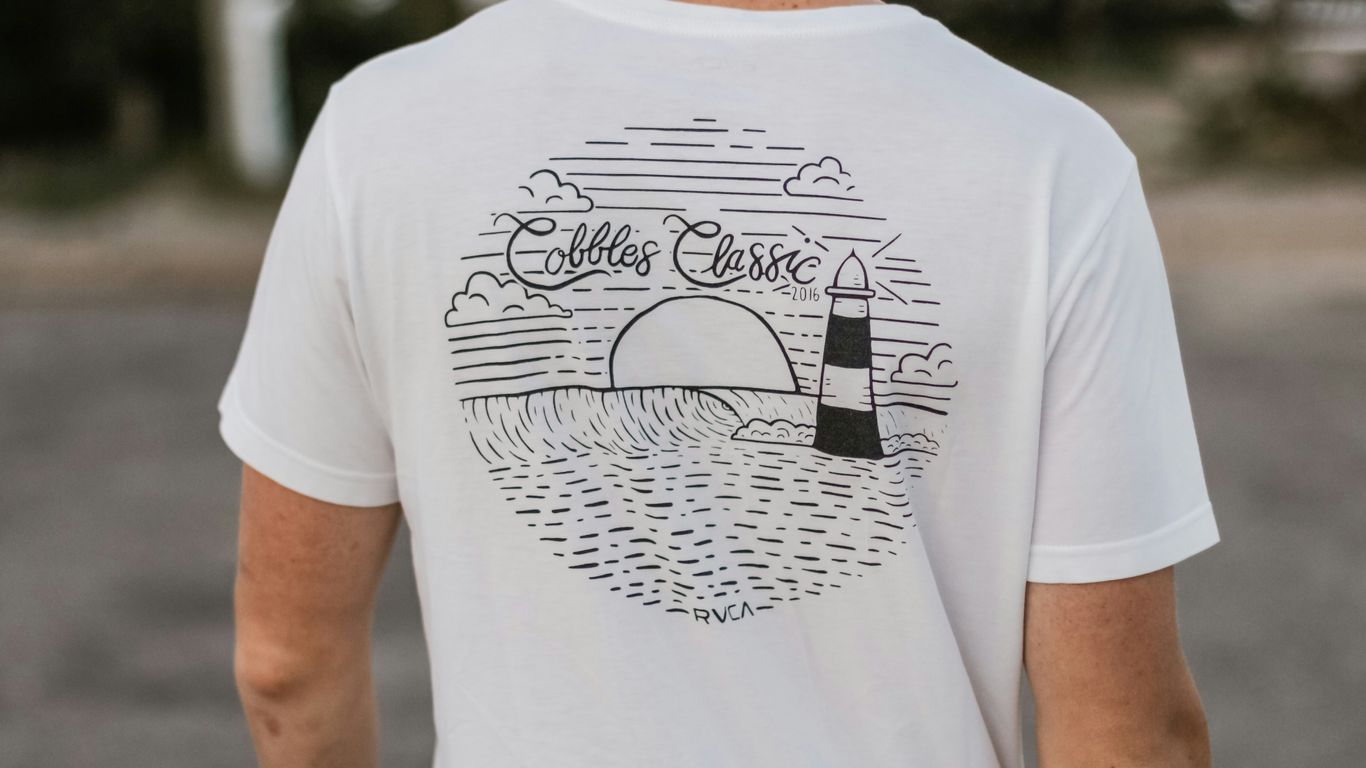
Alright, so you’ve got your shop set up and a POD partner ready to go. Now for the fun part: making stuff people actually want to buy! This is where your creativity really shines, and honestly, it’s what makes print on demand on Etsy so cool. You get to be the designer without having to worry about stocking a ton of inventory.
Browsing the Product Catalog
Most print-on-demand services have a huge catalog of items you can put your designs on. Think t-shirts, mugs, tote bags, posters, phone cases – the works. It’s a good idea to poke around and see what’s available. You can usually filter by things like material, brand, or even the size of the print area. This helps you narrow down what might work best for the kind of designs you want to create and who you’re trying to sell to.
Designing Products Etsy Buyers Love
So, how do you make designs that pop? First off, think about what people are actually searching for on Etsy. Are you seeing a lot of cute animal designs? Maybe minimalist quotes? Tapping into popular trends can be smart, but don’t forget to add your own unique spin. Your original artwork is your biggest asset here.
Here are a few things to keep in mind:
- Quality Over Everything: Make sure your artwork is high-resolution. Blurry or pixelated designs are a big turn-off. Your POD partner will usually tell you the recommended file size and type.
- Know Your Audience: Who are you designing for? A design that appeals to a teenager might not work for someone older. Try to get a feel for the vibe of your target customer.
- Keep it Simple (Sometimes): Not every design needs to be super complex. Sometimes a simple, bold graphic or a well-chosen phrase can be incredibly effective.
- Test Your Designs: Use the mockup generators your POD service provides. See how your design looks on the actual product. Does the color work? Is it placed well?
What Print on Demand Products Can You Sell?
Honestly, the list is pretty long! Here’s a quick look at some popular categories:
| Product Category | Examples |
|---|---|
| Apparel | T-shirts, hoodies, tank tops, baby onesies |
| Home Decor | Posters, canvas prints, mugs, throw pillows, blankets |
| Accessories | Tote bags, phone cases, water bottles, hats |
| Stationery | Notebooks, greeting cards |
When you’re picking products, think about how your designs will look on them. A detailed illustration might look amazing on a poster but get lost on a small mug. Conversely, a simple graphic might be perfect for a t-shirt but too plain for a large canvas. It’s all about matching the design to the product and the customer’s expectations.
Mastering Your Etsy Print on Demand Listings
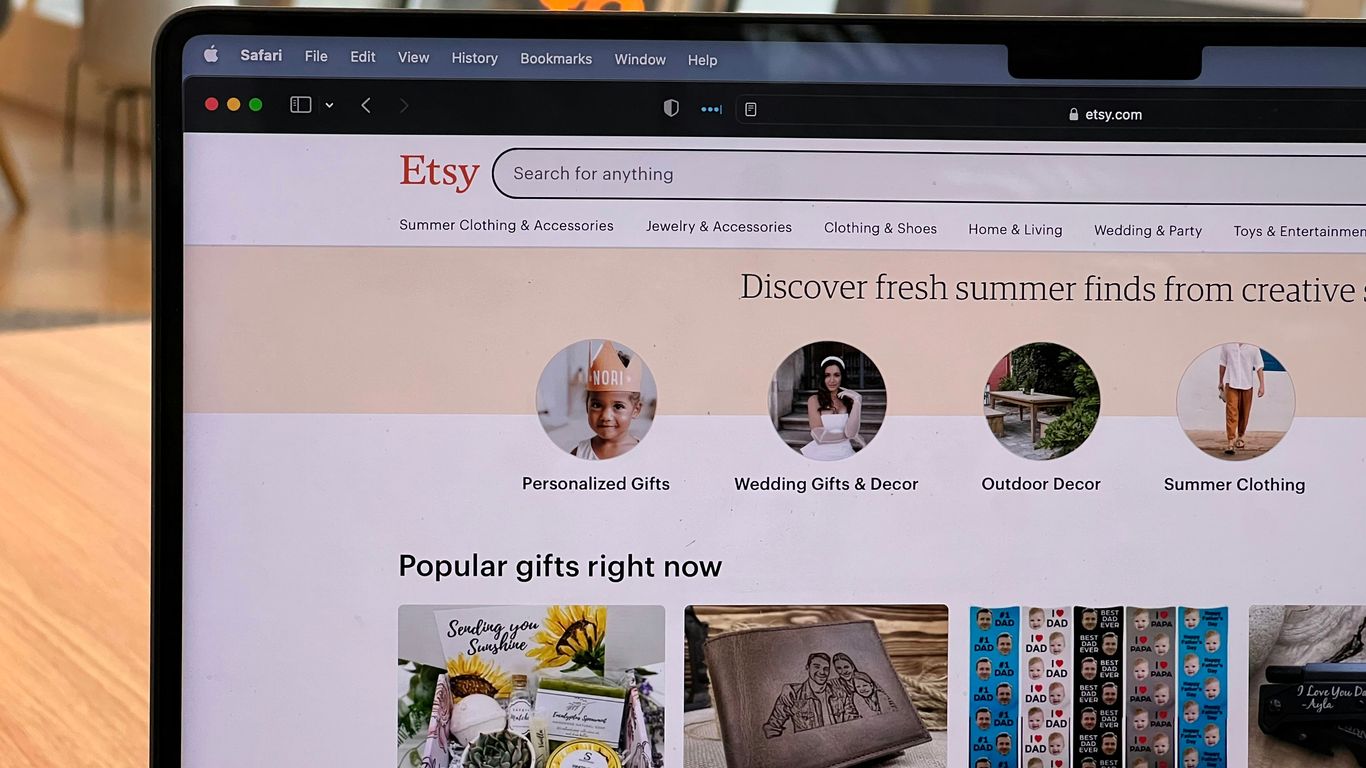
Alright, so you’ve got your shop set up and your designs ready to go. Now comes the part where you actually show people what you’re selling. This is where your listings really need to shine. Think of it like setting up a stall at a busy market – you want everything to look appealing and make people want to stop and look closer.
Crafting Compelling Product Descriptions
This is more than just listing the features. You need to tell a story, or at least paint a picture. What problem does your product solve? What feeling does it evoke? For example, instead of just saying "Graphic T-Shirt," try something like "Cozy Graphic Tee for Book Lovers – Perfect for your next library visit or reading marathon." Use keywords that people actually search for. Think about what you would type into Etsy if you were looking for this item. Be honest about materials, sizing, and care instructions. Nobody likes a surprise when their package arrives.
Utilizing High-Quality Product Photos
This is HUGE. People can’t touch your product online, so your photos have to do all the heavy lifting. If you’re using mockups from your print-on-demand provider, make sure they look realistic and showcase the design clearly. But honestly, ordering a sample of your own product is a game-changer. You can take your own photos, showing different angles, maybe even a lifestyle shot of someone using it. This builds trust. People want to see that there’s a real person and a real product behind the listing, not just a computer-generated image.
Here’s a quick checklist for your photos:
- Clear, well-lit images
- Show the product from multiple angles
- Include a lifestyle shot if possible
- Ensure the design is visible and accurate
- Use a consistent background or style
Setting Clear Shop Policies
This might not sound exciting, but it’s super important for keeping things smooth. Your policies are like the rulebook for your shop. What’s your policy on returns or exchanges? How long can customers expect to wait for their order? Be upfront about production and shipping times. Print-on-demand can sometimes take a little longer, so managing expectations is key. This protects you and makes customers feel more secure buying from you. It also helps you qualify for things like Etsy’s Star Seller program, which is a nice badge of honor.
Strategies for Etsy Print on Demand Success
Okay, so you’ve got your shop set up, your designs are ready, and you’re connected to a print-on-demand partner. That’s awesome! But just having a shop isn’t enough, right? You need a plan to actually make some money. This is where strategy comes in. It’s not just about putting stuff online and hoping for the best.
Choosing A Profitable Niche
Think about what you’re really into. What kind of stuff do you love to look at or buy? That’s often a good place to start. Trying to sell everything to everyone is a recipe for getting lost in the crowd. Instead, pick a specific group of people or a particular style. Maybe you’re all about quirky cat-themed gifts, or perhaps vintage-inspired travel posters are more your jam. Whatever it is, get specific. This helps you create designs that really speak to a certain audience and makes your marketing efforts way more effective.
- Identify your passions: What topics or aesthetics genuinely interest you?
- Research demand: Use Etsy’s search bar and tools like eRank or Marmalead to see if people are actually looking for products in that niche.
- Analyze competition: See what other shops are doing in that niche. Can you offer something different or better?
Picking a niche isn’t about limiting yourself; it’s about focusing your energy where it will have the biggest impact. It helps you become the go-to shop for a specific type of buyer.
Pricing Your Products for Profit
This is a big one. It’s easy to get this wrong and end up working hard for very little reward. You need to figure out your costs and then add a profit margin. Don’t just guess or copy what others are doing without understanding their numbers.
Here’s a simple way to think about it:
- Base Cost: This is what your print-on-demand partner charges you for the product itself, plus printing and any base shipping fees.
- Etsy Fees: These include listing fees, transaction fees, and payment processing fees. They add up!
- Marketing Costs: If you plan to run Etsy Ads or promote on social media, factor that in.
- Your Time: Don’t forget to pay yourself for the hours you spend designing, listing, and managing your shop.
- Profit Margin: This is the amount you add on top of all your costs. Aim for a healthy margin so your business can grow.
Let’s say a t-shirt costs $12 from your POD provider, Etsy fees are around $2, and you want to account for $1 in marketing. If you want a $10 profit, your selling price would be $25 ($12 + $2 + $1 + $10).
Promoting Your Etsy Print on Demand Products
Having great products and smart pricing is only part of the puzzle. People need to actually find your shop! Etsy has built-in tools, but you can also look outside the platform.
- Keywords are King: Use relevant words in your product titles, tags, and descriptions. Think like a buyer – what would you type into the search bar to find your item?
- Social Media Buzz: Share your designs and products on platforms like Instagram, Pinterest, or TikTok. Show behind-the-scenes of your design process or create lifestyle shots of your products.
- Etsy Ads: Consider using Etsy’s advertising system to get your products in front of more shoppers. Start with a small budget and see what works.
- Email List: If you can get customers to sign up for an email list (maybe with a discount code), you can let them know about new products or sales directly.
- Collaborate: Partner with influencers or other Etsy sellers in complementary niches for cross-promotion.
Building Your Print on Demand Brand on Etsy
So, you’ve got your shop set up, your designs are ready, and orders are starting to trickle in. That’s awesome! But just having products isn’t enough to really make your mark. Building a brand on Etsy is what turns a simple shop into a destination people want to come back to. It’s about more than just selling custom products on Etsy; it’s about creating an experience.
Providing Excellent Customer Service
This is huge. Think about it – when you buy something online, what makes you happy? Usually, it’s when the seller is helpful, quick to respond, and genuinely cares. For print on demand Etsy sellers, this means being on top of your messages. If a customer has a question about shipping or a design, answer them fast. If there’s a problem with an order, like a misprint or a shipping delay (which can happen with any print on demand setup), own it. Apologize, explain what you’re doing to fix it, and make it right. A little effort here can turn a one-time buyer into a loyal fan. It’s also a good idea to have a clear process for handling issues:
- Acknowledge the issue promptly: Respond to customer complaints within 24 hours.
- Investigate the problem: Check with your print on demand partner if needed.
- Offer a solution: This could be a replacement, a refund, or a discount on a future order.
- Follow up: Make sure the customer is satisfied with the resolution.
Encouraging Repeat Purchases
Getting a sale is great, but getting a customer to buy again? That’s gold. How do you do that? First, make sure the initial purchase was a good one. Quality products and good service go a long way. Then, think about ways to entice them back. Etsy has a feature where you can send automated coupons to people who have favorited an item or made a purchase before. Use this! Offer a small discount for their next order. You can also include a thank-you note with your packaging (if your POD partner allows it, or if you’re sending inserts) that mentions your social media or encourages them to leave a review. Positive reviews build trust for new buyers and make existing customers feel good about their choice.
Joining Seller Communities for Growth
Don’t try to do this all alone. There are tons of other people selling on Etsy, many of them using print on demand too. Joining online groups, like Facebook groups or Etsy-specific forums, can be super helpful. You can ask questions, share your struggles, and get advice from people who have been there. Plus, you can get inspiration for new designs or marketing ideas. It’s a great way to stay updated on what’s working and what’s not in the Etsy world. Some popular communities include:
- Etsy Seller Handbook forums
- Printify POD Rockstars (if you use Printify)
- Niche-specific Facebook groups (e.g., "Etsy Vintage Sellers" or "Etsy Digital Art")
Being part of these communities helps you learn, grow, and build connections, which is all part of building a strong brand.
Building a brand isn’t just about your logo or your product designs. It’s about the entire experience a customer has with your shop, from the moment they find you to long after they’ve received their order. Consistency in quality, communication, and care is what makes people remember you and choose you over the competition.
Wrapping It Up
So, you’ve learned the ropes of selling print-on-demand items on Etsy. It’s not rocket science, but it does take some effort. Think about finding your own little corner of the market, getting your product descriptions just right so people can find you, and making sure your prices actually make you some money. Plus, being nice to your customers and telling people about your shop regularly goes a long way. Don’t wait around – get started today and make your first product. Who knows, you might just surprise yourself with what you can create and sell.
Frequently Asked Questions
What exactly is Print on Demand (POD)?
Print on Demand is a cool way to sell stuff online without having to buy a bunch of inventory first. You create designs, and when someone buys a product with your design, a special company prints it and sends it straight to the customer. You don’t have to worry about storing or shipping anything yourself!
Can I really sell Print on Demand items on Etsy?
Yes, you totally can! Etsy is fine with sellers using print-on-demand services. In fact, some print-on-demand companies are official partners with Etsy, which makes things even smoother for you.
Is starting a Print on Demand store on Etsy a risky business?
Not really! It’s actually a pretty low-risk way to start an online business. Since you don’t buy products until someone orders them, you won’t be stuck with items you can’t sell. This means less money is tied up and less chance of losing money.
What kind of products can I sell with Print on Demand on Etsy?
You can sell a lot of different things! Think cool t-shirts, cozy hoodies, mugs, tote bags, wall art, phone cases, and even journals. As long as you create the original designs, you have tons of options to offer your customers.
How do I pick a good Print on Demand partner for my Etsy shop?
When choosing a partner, look for a company that makes good quality products that won’t fade or peel easily. It’s also important that they can ship items to customers all over the world quickly and reliably. Make sure they can easily connect with your Etsy shop so orders are sent automatically.
How much money can I actually make selling Print on Demand items on Etsy?
It’s definitely possible to make good money on Etsy with print on demand! Some sellers have even built full-time businesses and earn thousands of dollars each month. Your success depends on having great designs, picking the right items to sell, and marketing your shop well.